The Machine That Shrieks and Stays: Faxes in American Hospitals
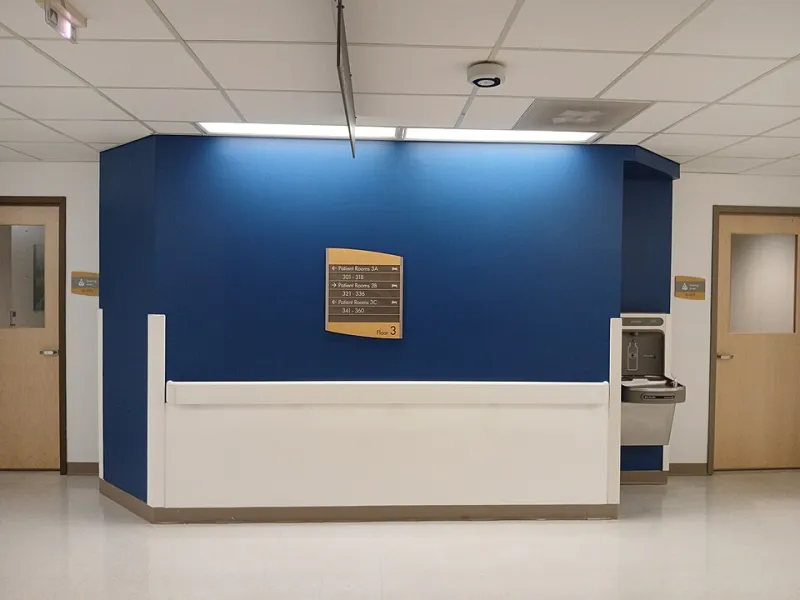
Photo: Ser Amantio di Nicolao, CC BY-SA 4.0, via Wikimedia Commons
Walk down the wrong hospital hallway and you will hear it: a modem handshake, a digital chirp trying to pass as a scream. It is the fax machine. In 2026, long after most offices exiled them to a storage closet, American hospitals are still sending and receiving faxes like it is 1997 and the paperwork depends on it.
This is not a nostalgia story. It is a story about infrastructure that refuses to be replaced because too many other things depend on it. The fax machine is ugly, slow, and insecure in ways that would make a cybersecurity team weep. It is also familiar, auditable, and stubbornly compatible with the rest of the healthcare system.
The Handshake That Won't Hang Up
A fax transmission begins with a handshake tone. Two machines agree on speed, compression, and the fact that they are both still alive. Then the page crawls through, line by line, and comes out on the other end as a piece of paper or a digital image. It is a remarkably direct transaction. No login. No portal. No password reset. Just a phone number and a document.
That directness is part of the appeal. Hospitals run on referrals, lab results, prescriptions, prior authorizations, insurance forms, and signatures that need to move between offices that may not share the same electronic health record system. A fax can bridge two incompatible systems without asking either one to change. It is a paper-based API.
The problem is that the bridge is wide open. Faxes can be misdialed. They can sit on a machine in a hallway. They can be sent to the wrong number and never come back. Some are encrypted in transit; many are not. In a security review, the fax machine looks like a leak with a paper tray.
Why Hospitals Keep the Old Machine
Hospitals are not stupid. They are fragmented. A large health system may have dozens of departments, outside clinics, pharmacies, labs, and billing offices, each with its own workflow. Replacing fax means replacing all of those workflows at once, or at least convincing everyone to use the same secure portal. That is a lot harder than buying a new machine.
There is also the comfort factor. A fax gives you a receipt. It prints a confirmation page. It leaves a physical record. For a nurse or an administrator who has been burned by a lost electronic message, that little strip of paper feels like proof. It is analog trust in a digital system that often feels invisible.
The fax also has a cultural role. It is the sound of a hospital doing business. You hear it in the background of a phone call and know someone is sending something important. It is the medical equivalent of a landline: outdated, but still carrying weight.
The Signal Left in Plain Sight
The real risk is not the screech. It is the assumption that the screech is safe. Faxes can expose patient information in ways that are easy to overlook: a machine in a public hallway, a wrong number, a document left in the output tray, a phone line that is not as private as everyone assumes. The signal is not hidden. It is just boring enough that nobody looks.
At CENIR, we are interested in the technologies that stay behind. The hospital fax is a perfect example. It survived because it worked, because it fit, and because changing it would require a kind of coordination that healthcare has never been great at. In 2026, the fax is not a relic. It is a living compromise.
If you hear that handshake in a hospital hallway, do not just walk past it. It is the sound of a system admitting that the future arrived unevenly. The paper still moves. The signal still carries. And somewhere on the other end, a machine is waiting to say yes.